







Portrait of Leonardo Bressan on a balcony in New York

Product UX/UI Designer & AI builder

I design human insight into business impact.

Hi, I'm Leonardo, a product designer with 5 years of experience between Italy and New York. I turn complex, data-heavy problems into clear products, and I stay in the build, from Figma to shipped front-end, until it's real.

(01) How I think

I'm a product designer who sits where user needs and business goals meet. Across health, fintech, automotive and AI, I've learned that the best interface is the one that makes a hard decision feel obvious, and that a good design is only finished when it ships and the numbers move.

  1. 01

    People before pixels

    Every product starts with one question: what does this person actually need? Screens come after.

  2. 02

    Outcomes over output

    I design toward a metric the business cares about, and I measure whether we moved it.

  3. 03

    Stay in the build

    I prototype in real code with AI tools, so there's no gap between the idea and the working product.

(02) Collaborations

Brands, startups and teams I've designed with, across Italy and New York.

(03) Selected work

Products I've shaped, end to end.

01Medical tech

I-Tech

I-Tech

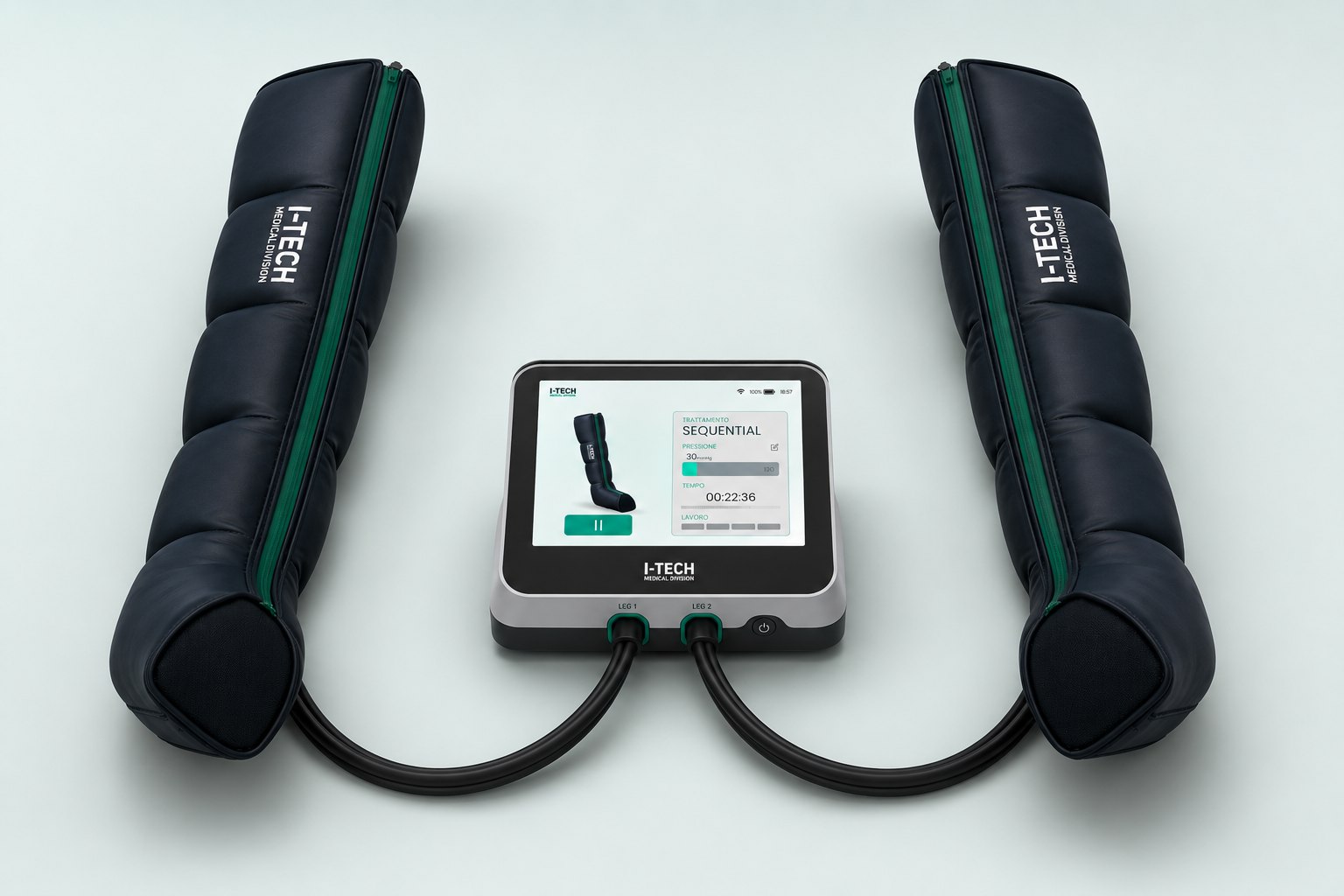
One compact touch screen connecting the compression boots and the control unit, designed for patients at home and practitioners in clinics, to IEC 62366.

+32%patients using the device correctly, start to finish

View case study
02Medical UX

Ares

Ares

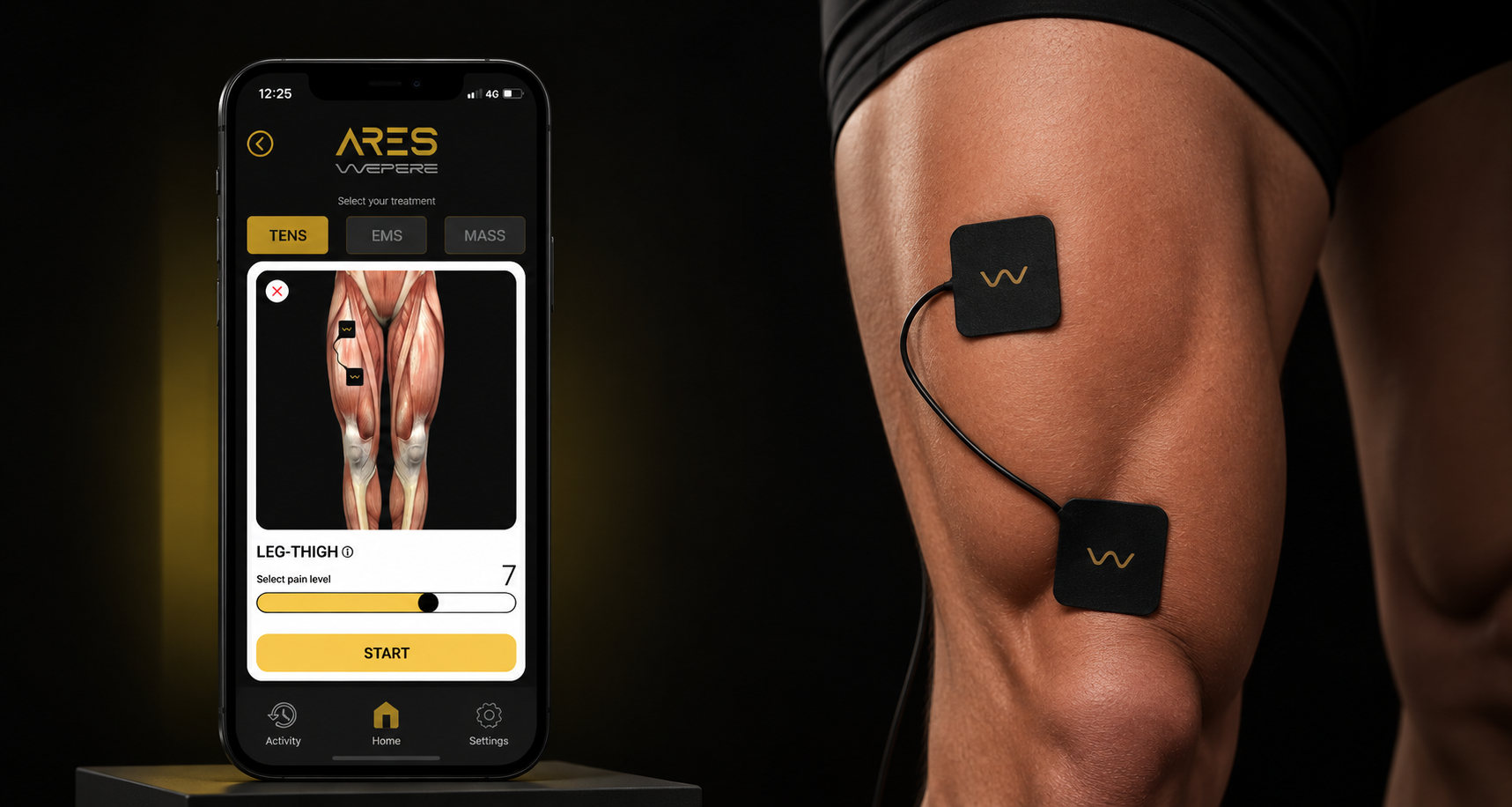
An electrotherapy companion that guides people through electrode placement and treatment choice, built for older and non-technical users.

−47%setup time, from about 5 minutes

View case study
03Design lead

Aston Martin

Aston Martin

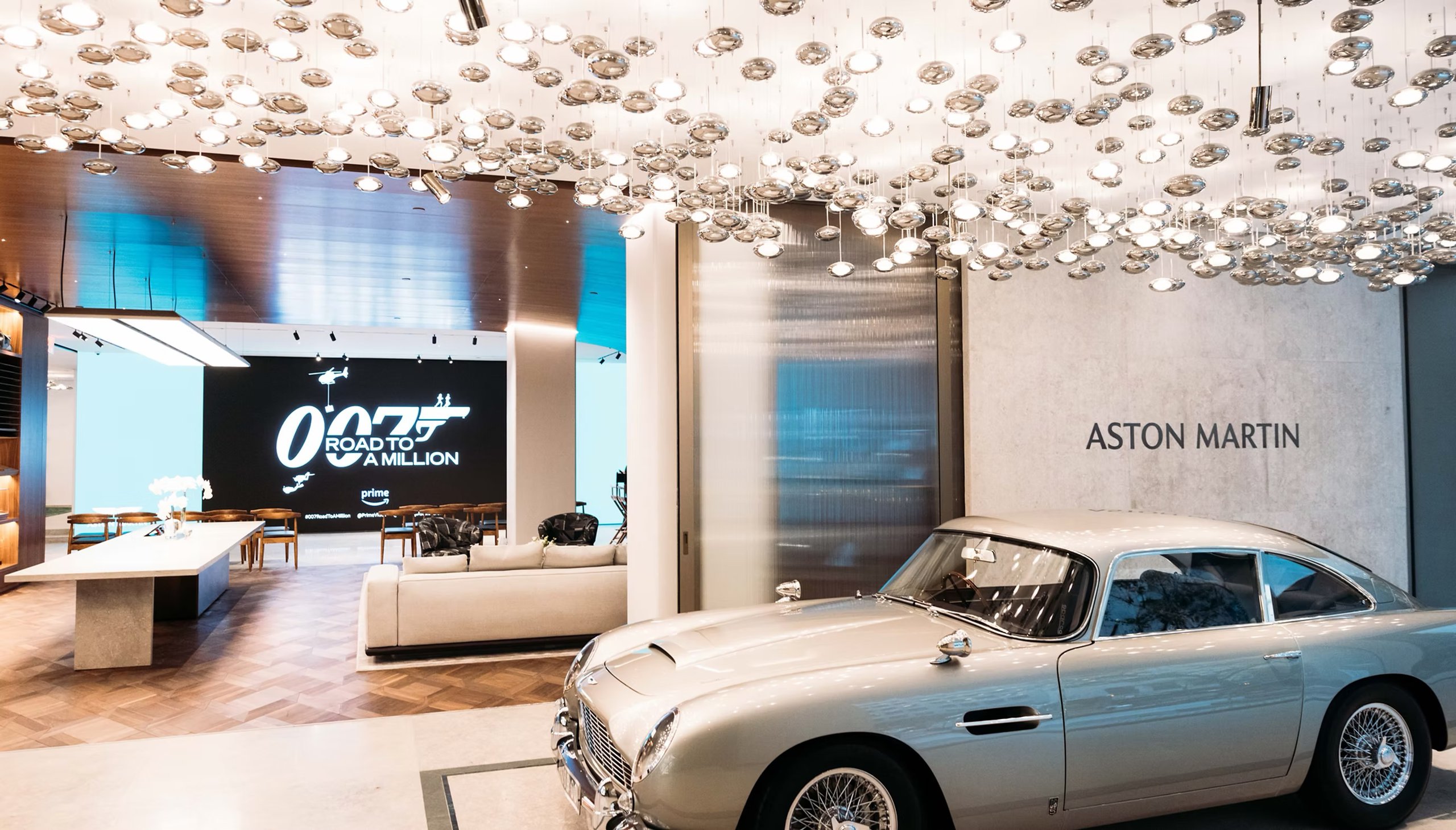
Designed Masters Console, the platform that ran Masters in Conversation at Q New York, and the event around it, for the launch of 007: Road to a Million.

1M+campaign impressions across partner channels

View case study
04AI/ML platform

Clyra

Clyra

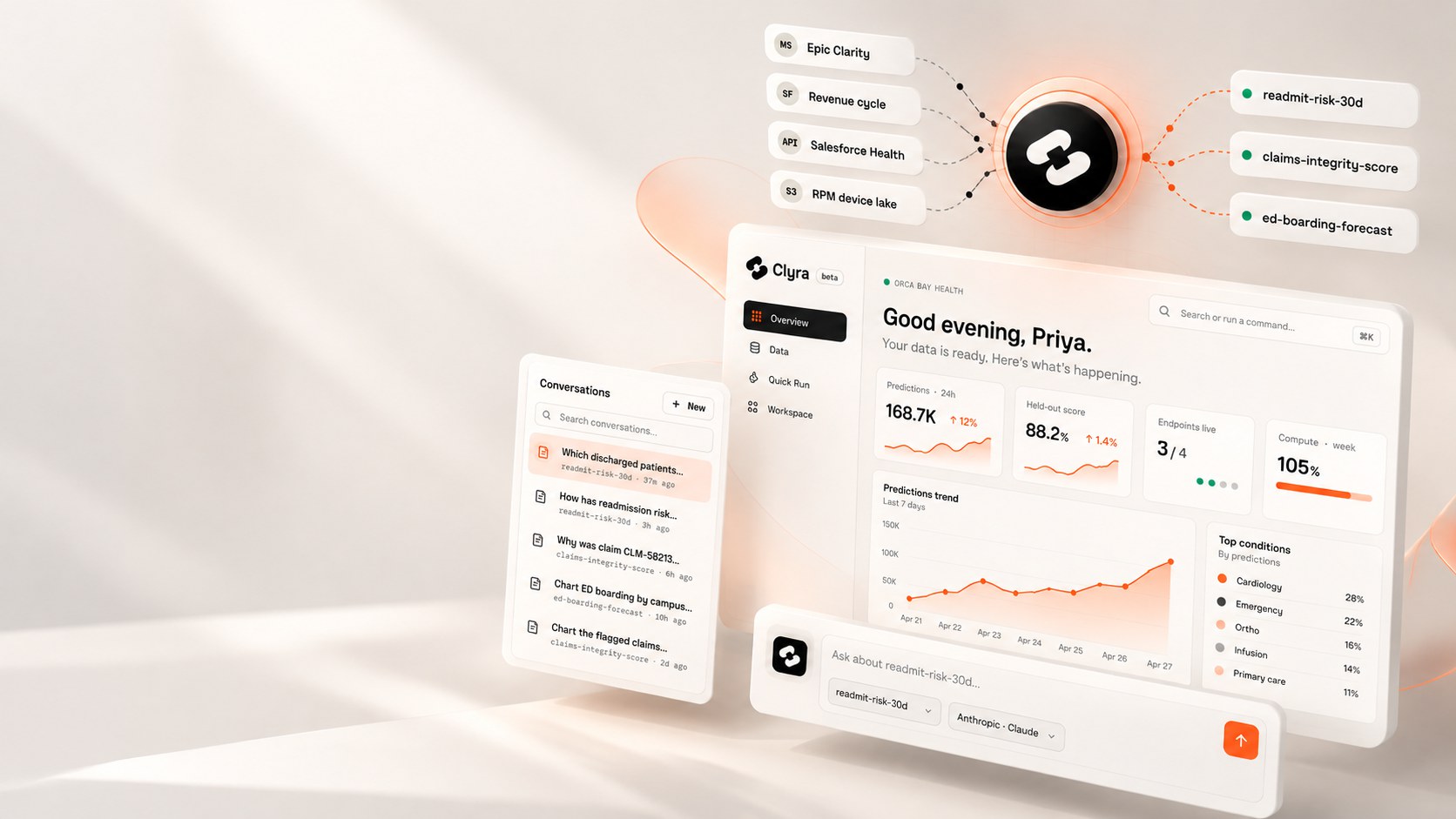
An AI platform that links datasets without shared keys, fills missing values, evaluates models and publishes them as APIs, so teams ship models without a data-engineering bottleneck.

−85%time from raw data to a live API, from 2–4 months to about 2 weeks

View case study
05iOS & Android

Arvic

Arvic

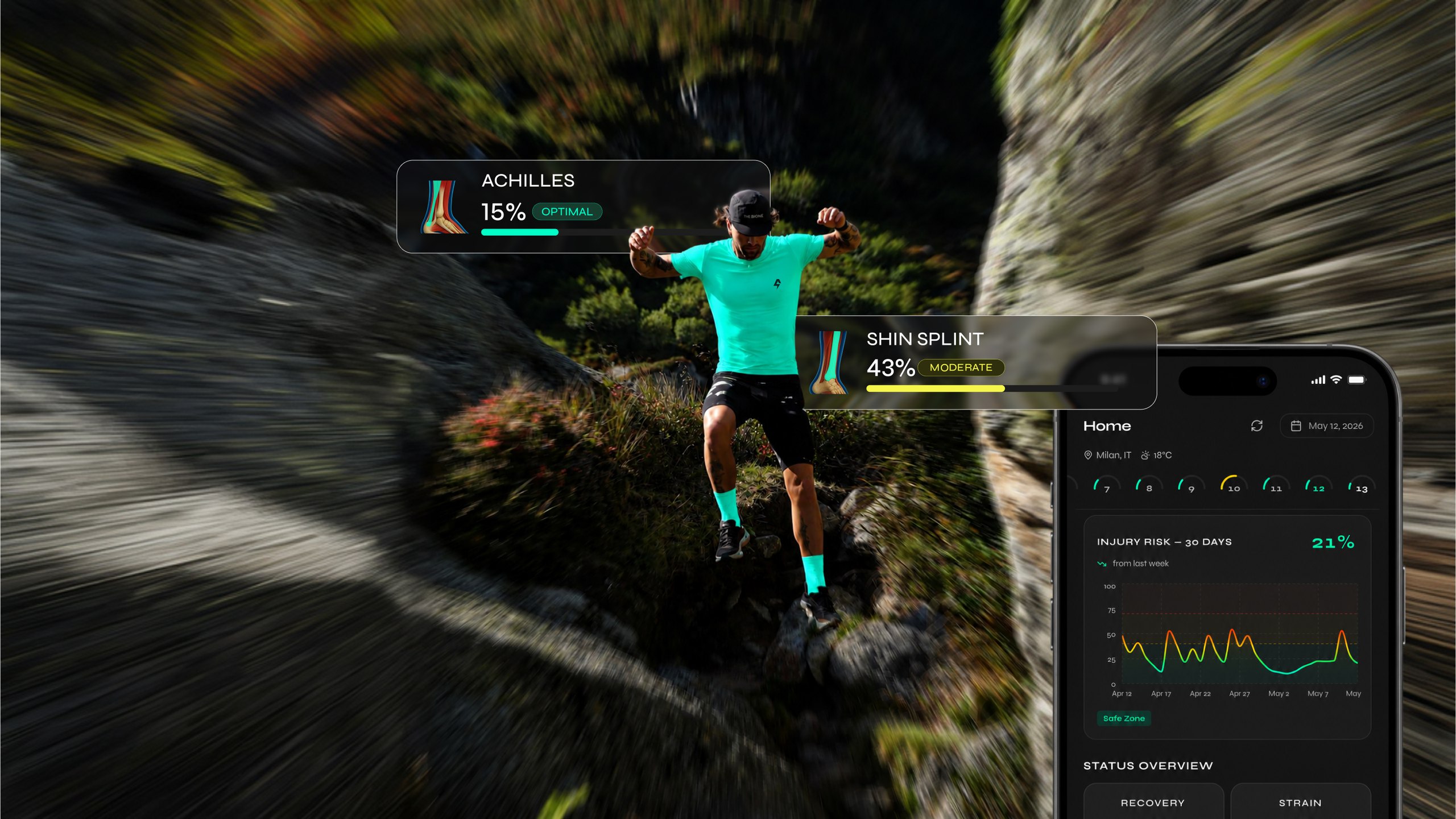
An AI-native platform that predicts injury risk. I turned dense training, load and recovery data into a daily decision tool across iOS, Android and web.

50%+daily active usage in a 150+ athlete pilot

View case study
06Mobile app

TripUp

TripUp

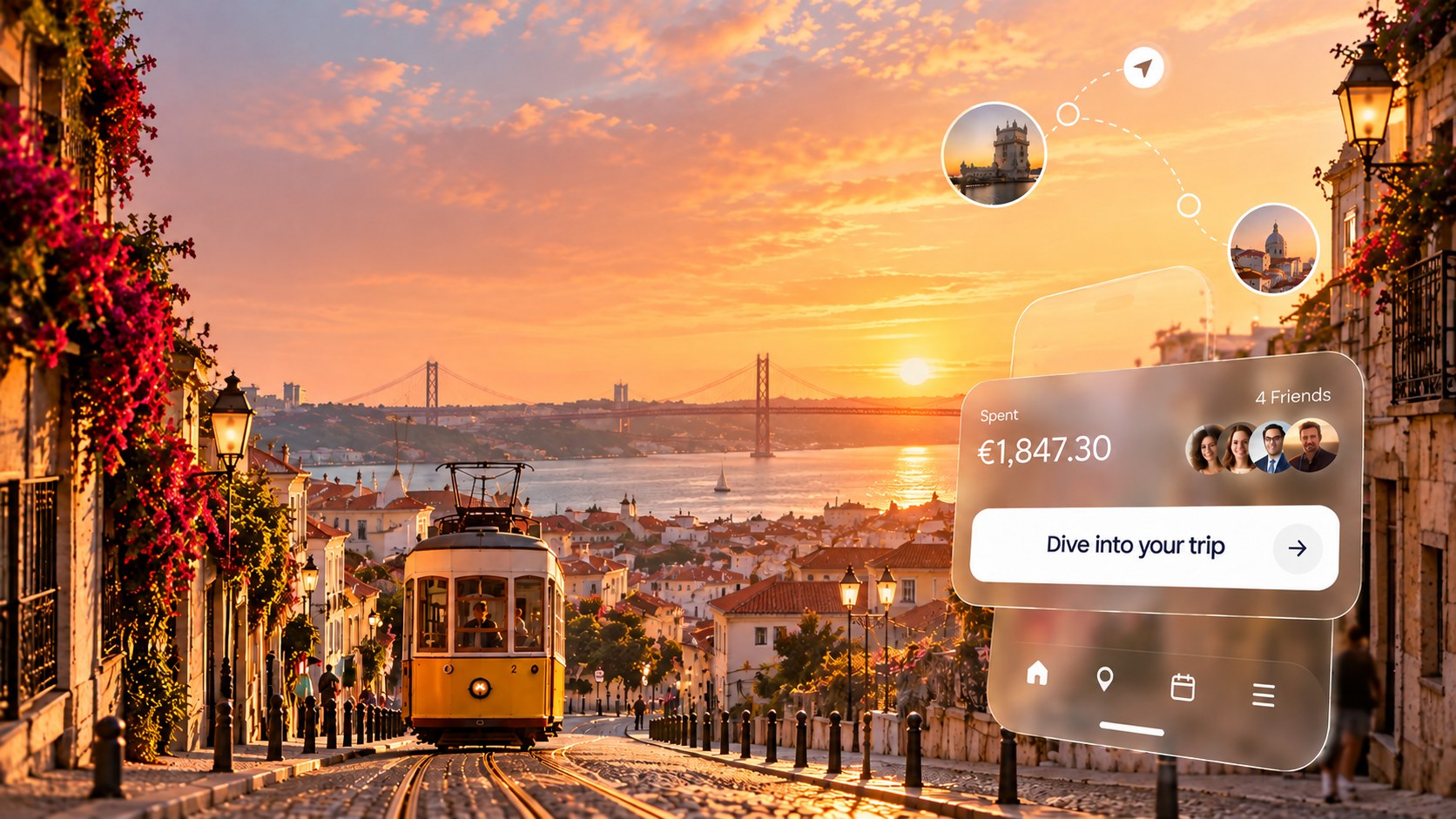
From brief to a working prototype in four days for a multi-billion-dollar company: deciding, splitting and settling group travel in one flow.

4 daysfrom brief to a working, deployed prototype

View case study

(04) Impact

Design that moves numbers.

−0%

Less time to set up a session, from about 5 minutes

Ares · Medical device

0%+

Daily active usage during the pilot

Arvic · AI health platform

+0%

Patients using the device correctly, from connecting the boots to the treatment

I-Tech · Medical device

0M+

Campaign impressions across partner channels

Aston Martin · Brand platform

(05) In the details

Crafted down to the last pixel.

Feature image · 16:9
Aston MartinMasters in Conversation · New York HQ

(06) Method

Business first. People always.

An entrepreneurial, proactive mind: I always look for how to do it better, and where to innovate.

Good product design is a bet on value. I make that bet explicit, so every screen traces back to a user need and a business outcome.

Where business viability, user desirability and technical feasibility overlap is product valueBusinessviablePeopledesirableTechnologyfeasibleProductvalue
  • Business Revenue, retention, cost to serve. Which number has to move?
  • People Real jobs, real friction. What would make this obvious?
  • Technology Data, constraints, effort. What can we ship and learn from soon?

From bet to measurable outcome

  1. 01

    Frame the bet

    “What outcome moves the business?”

    Before any pixel, I align with stakeholders on the goal, the metric that proves it and the constraints we can't ignore. A clear bet turns opinions into decisions.

    • Problem statement
    • North-star KPI
  2. 02

    Understand people

    “What do users actually need?”

    Interviews, analytics and competitive scans show where the real friction is. I map jobs-to-be-done so the team designs for behaviour, not assumptions.

    • Research insights
    • JTBD map
  3. 03

    Prioritise for impact

    “Where is the biggest win for the least effort?”

    With PM and engineering I size opportunities by impact and effort, then cut the MVP to the smallest thing that can prove the bet.

    • Impact/effort matrix
    • MVP scope
  4. 04

    Design & build

    “How fast can we learn from something real?”

    Flows and systems in Figma, then a working front-end with AI tools like Claude Code. Real prototypes give real feedback, and engineering gets an unambiguous handoff.

    • Design system
    • Coded prototype
  5. 05

    Ship & measure

    “Did it work, and what's next?”

    Usability tests, pilots and KPIs close the loop. What we learn feeds the next bet, so the product compounds instead of drifting.

    • Usability results
    • KPI dashboard

(07) Beyond the handoff

Designed in Figma. Shipped in code.

AI is part of my workflow from start to finish. I take my own designs to a working front-end, so teams test real products with real users, and engineering gets something unambiguous to build on.

TripUp.fig: Home
iPhone 15 · Home
TripUp home screen designTripCard · 360 × 489
  • ▾ TripCard
  • · Image / Lisbon
  • · Title
  • · Glass / Summary
  • · Button / Primary
TripCard.tsx
<TripCard
  city="Lisbon"
  dates="19 – 24 Aug"
  spent={1847.30}
  friends={4}
  onOpen={diveIn}
/>

// tokens straight from Figma
--radius-card: 28px;
--glass-blur: 24px;
--brand-teal: #12b3a3;
Portrait of Leonardo Bressan on a balcony in New York

(08) About

Hi, I'm Leonardo.

Product UX/UI Designer with 5 years across Italy and New York, shaping complex, data-heavy products in AI, health, sport tech, fintech, automotive and legal tech.

I start with people, not screens, and I take my work from Figma to a working front-end, so there's no gap between the idea and the product that ships.

My vision

“Human-centered design isn't a methodology for me. It's the only way I know to reach both business and design goals.”

(09) Contact

Let's build something people use and businesses need.